
The origins of the West-Eastern Divan lie in the conversations between its founders, Edward Said and Daniel Barenboim. Over the course of their great friendship, the Palestinian author/scholar and Israeli conductor/pianist discussed ideas on music, culture and humanity. In their exchanges, they realized the urgent need for an alternative way to address the Israeli-Palestinian conflict. The opportunity to do this came when Barenboim and Said initiated the first workshop using their experience as a model. This evolved into the West-Eastern Divan Orchestra that global audiences know today.
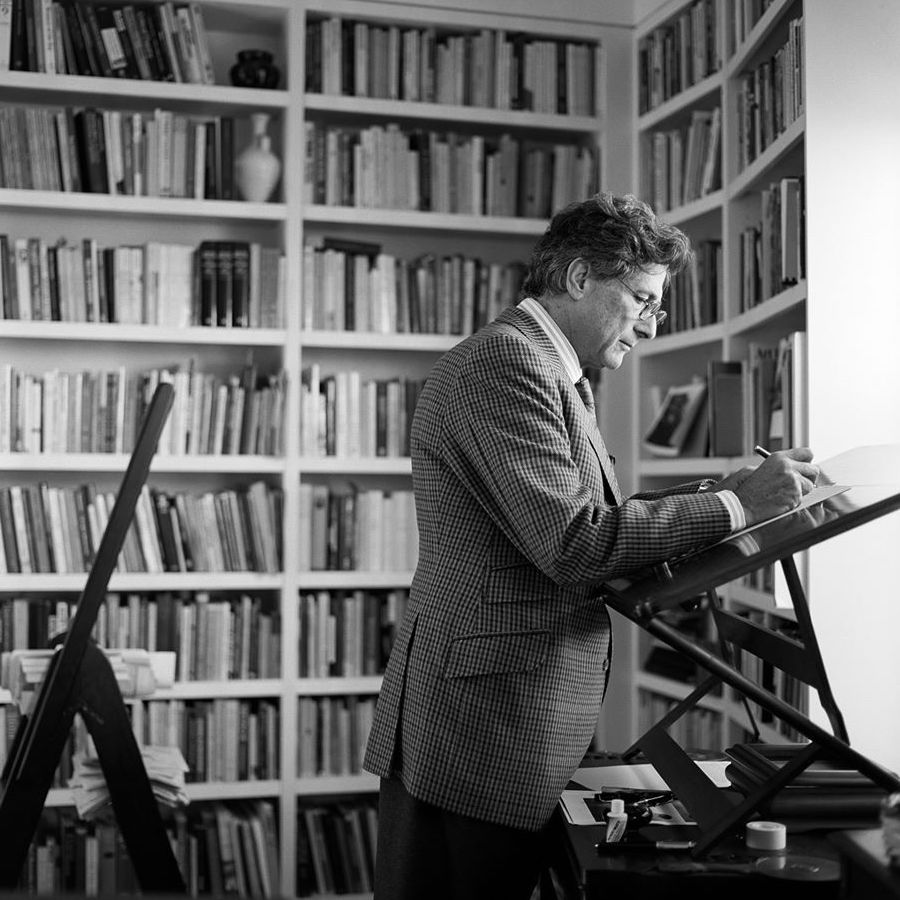
Edward W. Said
Edward W. Said was born in Jerusalem, raised in Jerusalem and Cairo, and educated in the United States, where he attended Princeton (B.A. 1957) and Harvard (M.A. 1960; Ph.D. 1964). In 1963, he began teaching at Columbia University, and was University Professor of English and Comparative Literature in 2003 when he died. Besides his academic work, he wrote a twice-monthly column for Al-Hayat and Al-Ahram; was a regular contributor to newspapers in Europe, Asia, and the Middle East; and was the music critic for The Nation. He served on the editorial board of twenty journals, and was the general editor of a book series, Convergences, at Harvard University Press. He has lectured at over 200 universities in North America, Europe, Africa and Asia.
Humanism is the only – I would go so far as saying the final – resistance we have against the inhuman practices and injustices that disfigure human history. Separation between peoples is not a solution for any of the problems that divide peoples. And certainly ignorance of the other provides no help whatever. Cooperation and coexistence of the kind that music lived as we have lived, performed, shared and loved it together, might be.
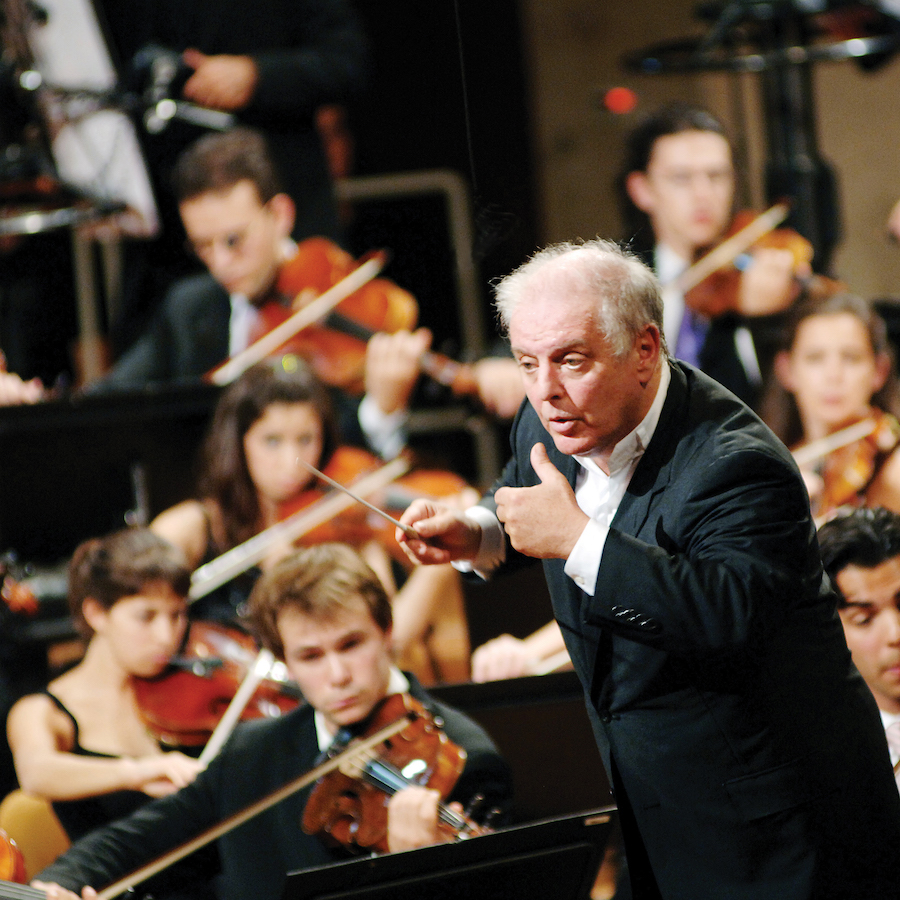
Daniel Barenboim
Daniel Barenboim was born in Buenos Aires in 1942. He received his first piano lessons from his mother at age five. Later, he studied under his father, who would remain his only piano teacher. At the age of seven he gave his first public concert in Buenos Aires. In 1952, he and his parents moved to Israel. At age eleven, Daniel Barenboim took part in conducting classes in Salzburg under Igor Markevich. In the summer of 1954, he also met Wilhelm Furtwängler and played for him. Furtwängler then wrote, “The eleven-year-old Daniel Barenboim is a phenomenon.” In the following two years, Barenboim studied harmony and composition with Nadia Boulanger in Paris.
Our project may not change the world, but it is a step forward. Edward Said and myself see our project as an ongoing dialogue, where the universal, metaphysical language of music links with the continuous dialogue that we have with young people, and that young people have with each other.